
The Stories Behind Iconic American Candies You Probably Didn't Know

Image source: OhMyCandyBox – ohmycandybox.hr/collections/nerds
Behind every iconic American candy lies a story – sometimes a coincidence, sometimes a brilliant marketing decision. In this article, we uncover the origins of the names and formulas of your favourite American candies before you order them.
Nerds – why are they called that?
The name "Nerds" (literally "geeks") was coined by the manufacturer Willy Wonka Candy Company in 1983, at a time when the term "nerd" was gaining a more positive, almost endearing connotation in popular culture – thanks to films and TV shows that celebrated "smart, different" characters. The tiny, crunchy candies in a dual-coloured box became the visual trademark of the brand. Today, Nerds are produced by Ferrara Candy Company (part of the Ferrero group), and the range has expanded to include viral Gummy Clusters and Rope varieties. Check out the entire Nerds collection.
Sour Patch Kids – a candy that "borrowed" its name from toys
Sour Patch Kids were originally called "Mars Men", created in the early 1970s. When the popularity of Cabbage Patch Kids dolls exploded in the mid-1980s, the manufacturer seized the opportunity and renamed the candy to Sour Patch Kids – a clear reference to the then-popular toy. The slogan "First sour, then sweet" has remained unchanged for decades and is now one of the most recognisable in the candy industry. Explore the Sour Patch Kids collection.
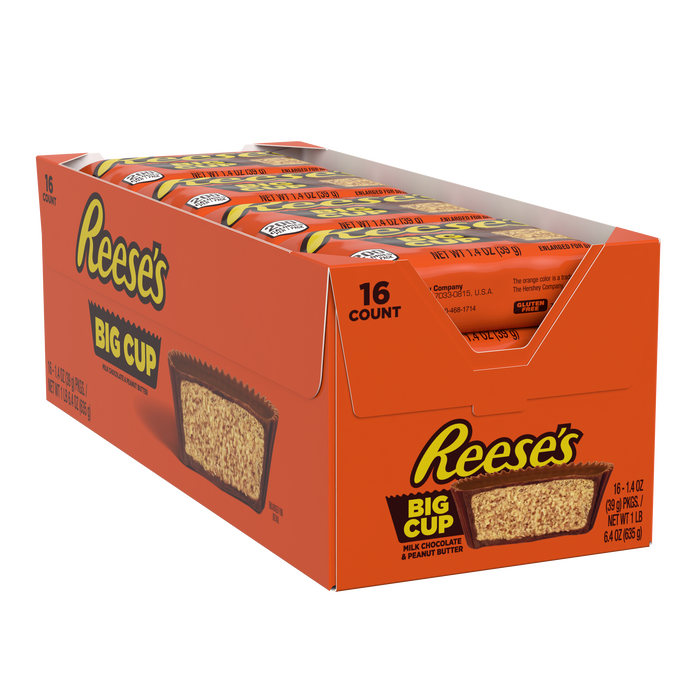
Image source: Hershey's (official store) – shop.hersheys.com/our-brands/reeses
Reese's – an accidental combination that became a billion-dollar empire
H. B. Reese was a milkman and a foreman at the Hershey factory before he first combined peanut butter and chocolate in the shape of a cup in his garage in 1928. The product was originally called "Penny Cups" because it sold for one cent. It wasn't until 1963 that his sons sold the company to Hershey, and Reese's is now one of the best-selling candies in the world, with an annual revenue of over $3 billion. Check out the Reese's collection.
Pop-Tarts – born from a competitive race
Pop-Tarts were created in 1964 as Kellogg's response to a competing product announced by Post – a sweet filled pastry that is toasted. Kellogg heard about the idea, quickly developed its own version, and launched it before the competition, making Pop-Tarts synonymous with quick American breakfasts. Explore the Pop-Tarts collection.
Why are American candies so different from European ones?
Besides the stories behind the brands, what surprises first-time buyers the most is the intensity of the flavours – American manufacturers traditionally use stronger flavours, higher doses of acidity (in sour candies), and unusual texture combinations (chewy + crunchy in Nerds, for example). This is also why sweet lovers in Europe are increasingly seeking original, imported versions instead of local substitutes.

Image source: OhMyCandyBox – ohmycandybox.hr/collections/nerds
Where to try all these candies in Europe
You can taste all the stories from this article – the original, imported versions of Nerds, Sour Patch Kids, Reese's, and Pop-Tarts products are available in the American candy collection at OhMyCandyBox, with fast delivery across Europe.
Frequently Asked Questions
Why are Nerds candies called that?
The name was coined in 1983 when the term "nerd" was becoming more endearing and accepted in popular culture.
Who invented Reese's Peanut Butter Cups?
H. B. Reese, a former milkman and Hershey foreman, in 1928.
Have Sour Patch Kids always had that name?
No – they were originally called "Mars Men", renamed in the mid-1980s in line with the popularity of Cabbage Patch Kids dolls.
